Inclusive golf: creating courses for everyone
| Campey Turf Care Systems, EIGCA, GEO Foundation, Giles Wardle, Kari Haug, Learning Live, MJ Abbott, Sustainability, Tim Lobb
Estimated reading time 7 min
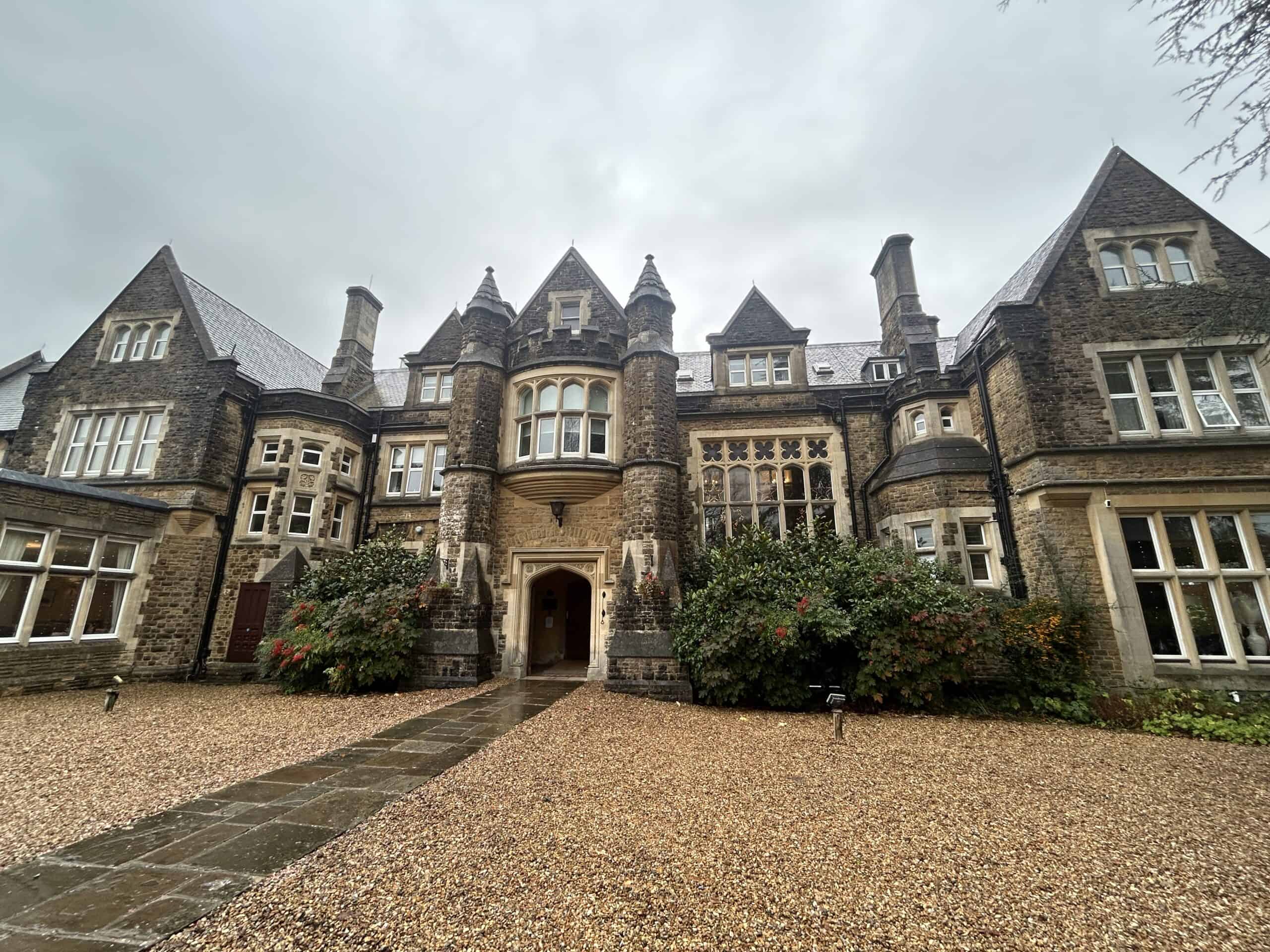
Learning Live: 19th to 20th November 2025, Surrey, England
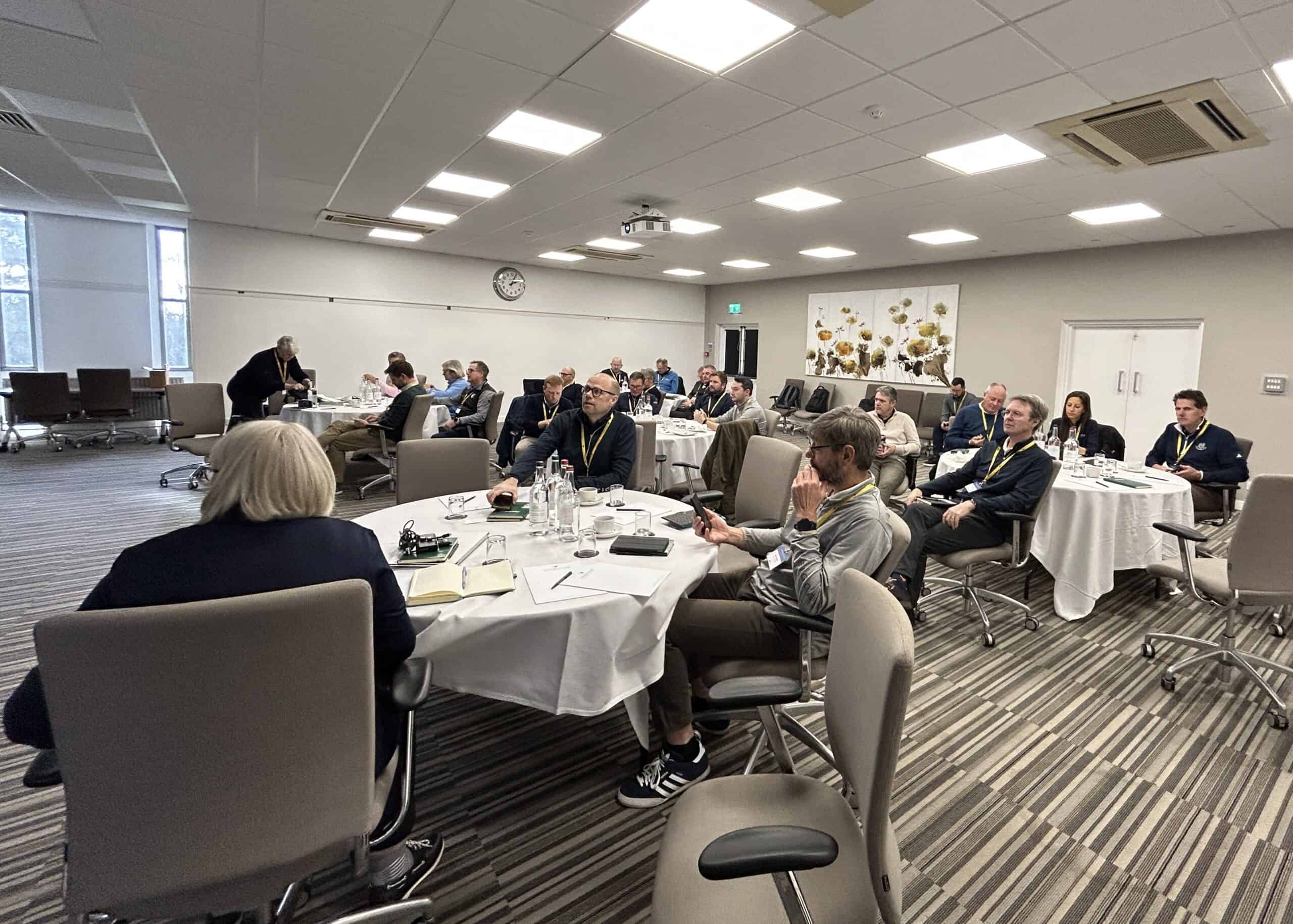
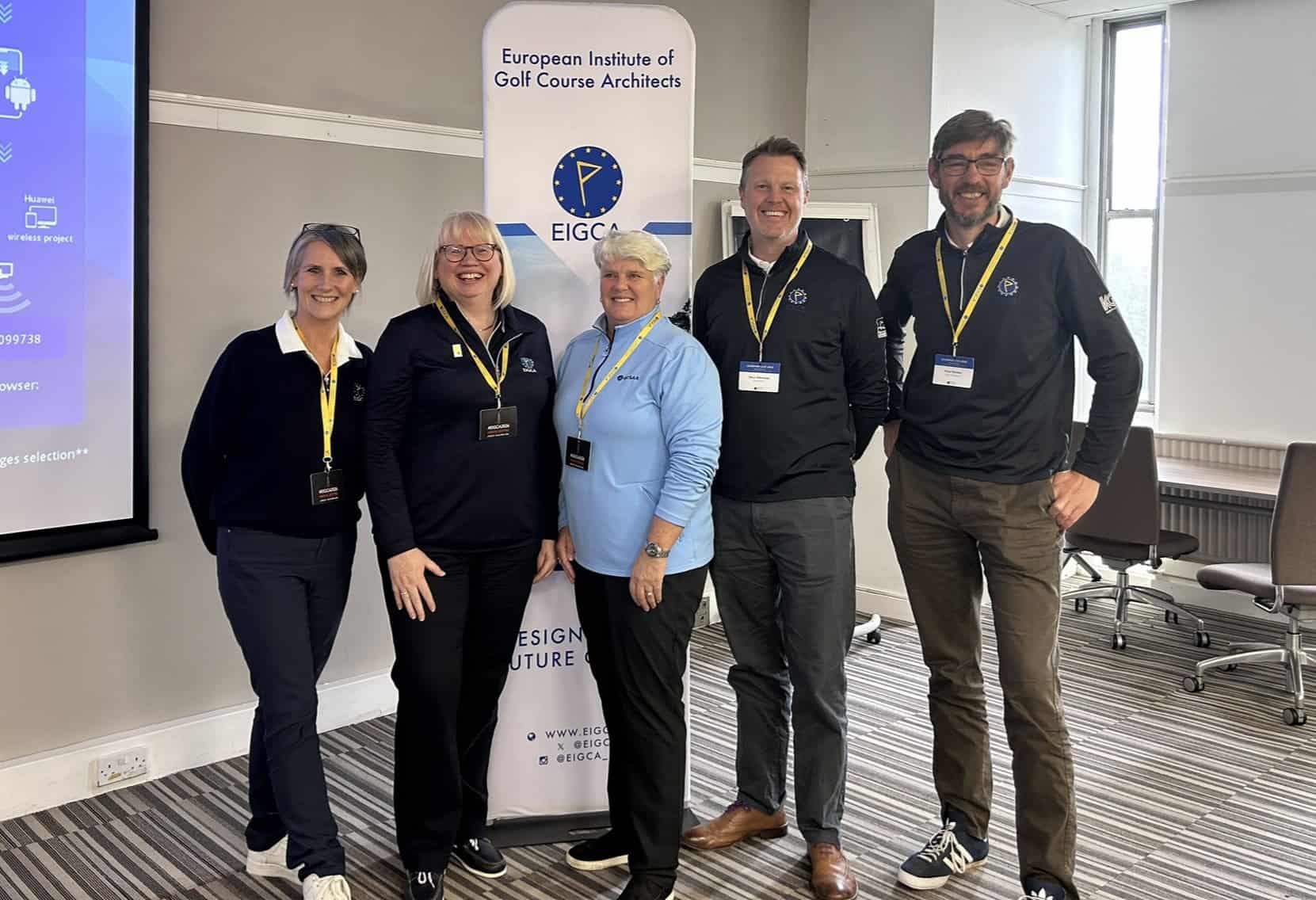
Learning Live 2025 brought two days of lively discussion, practical insight, and plenty of optimism about where golf course design is heading. Across the four sessions, one idea kept returning: if golf is to grow, it must be designed for everyone who plays it—not just the longest hitters.
Below is a condensed look at the themes that shaped the event and the direction they point us toward.
Day 1: Session 1 – Rethinking How Golfers Actually Play
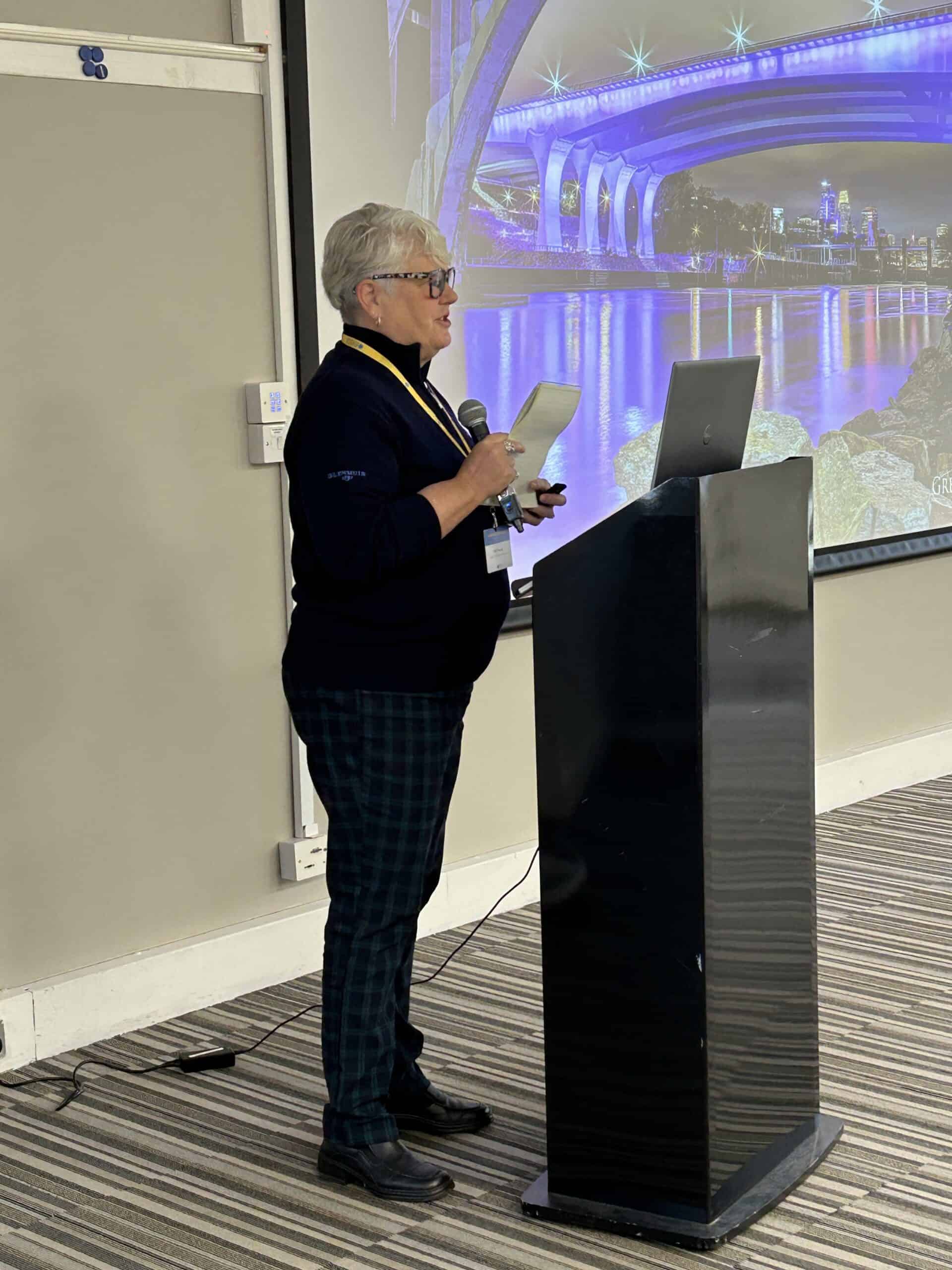
The opening session set the tone with Member Kari Haug’s data on how women and shorter hitters experience the course. Her study with Sue Shapcott revealed a picture of how average women play with the data showing a relationship between swing speed and distance. The data has important design implications – from maximum carry distances over hazards to tee placement, tree clearance, ground-option routing, and sightline considerations. Kari also highlighted the need to design for golfers with lower trajectories, shorter heights, age-related changes, and disabilities, ensuring visibility and playability from every teeing position. Kari’s Playable Pathways™ framework connected the data to design, offering a blueprint for creating multiple successful routes through the course.
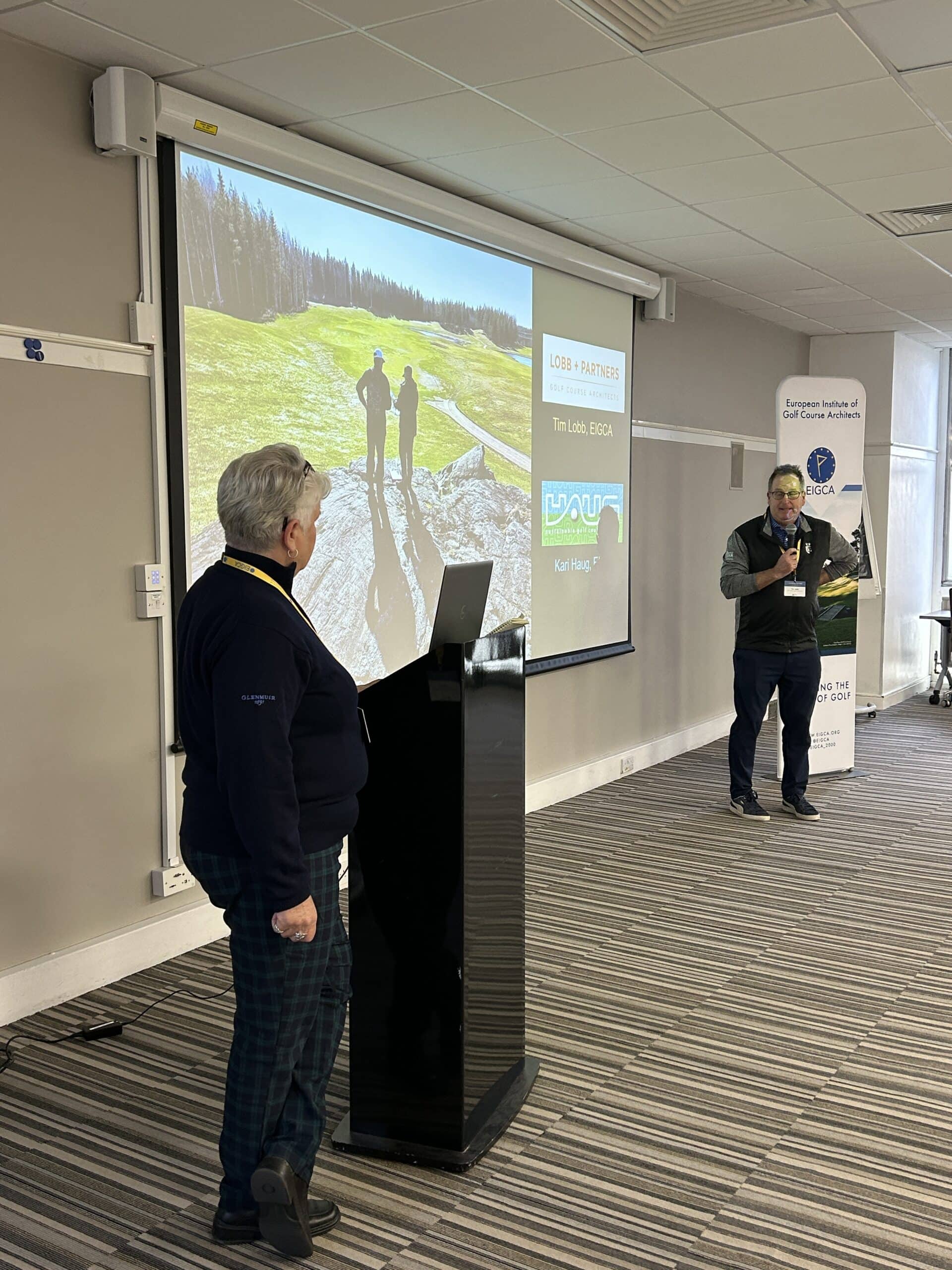
Kari and EIGCA Past President, Tim Lobb, then shared how this approach is being brought to life at Pirkkala Golf Club in Finland. Their collaboration – formed because the club specifically wanted a female architect – led to a masterplan shaped by member feedback, sustainable thinking, and a commitment to making golf enjoyable for the widest possible range of players. Construction is underway, and both Tim and Kari believe this type of collaborative, data-driven, inclusive design will become more mainstream.
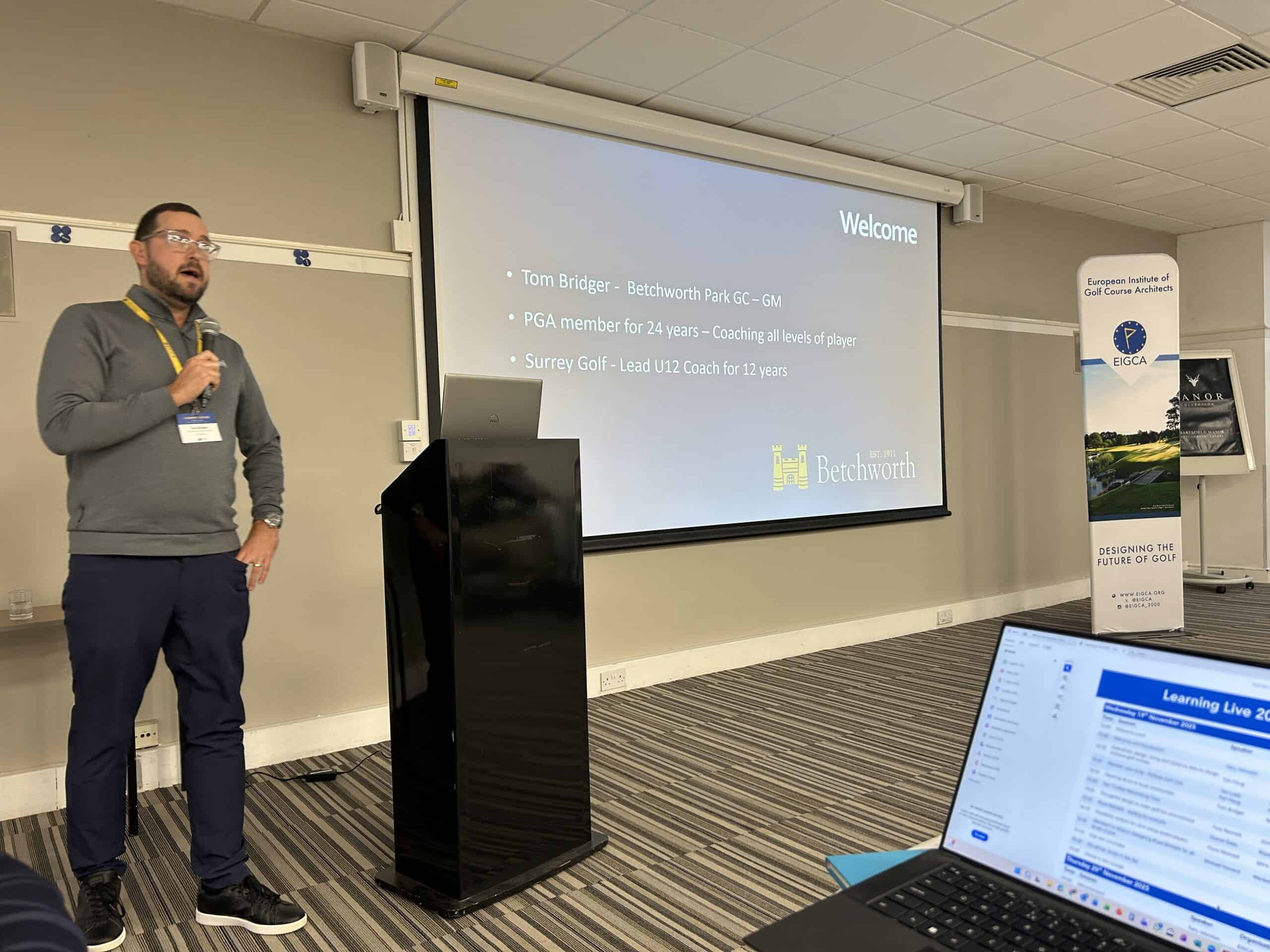
The session moved from Finland to England, where Tom Bridger, General Manager of Betchworth Park Golf Club, showed what happens when a club commits to community engagement and sustainability. Whether hosting 180 juniors, partnering with local schools, expanding women’s and junior pathways, or introducing alternative tees and smarter course set-ups, Betchworth Park demonstrates how inclusivity and environmental care can directly strengthen participation and financial resilience. Their future plans – including biodiversity projects and the use of biochar – highlight how clubs can evolve in ways that benefit both people and the wider landscape.
Why this matters – when consideration is given to how golfers play, design becomes more equitable, participation grows, and courses function better. Data and community insight are becoming essential design tools.
Day 1: Session 2 — Making Golf Work for Everyone
Tony Bennett of EDGA, challenged the golf industry to take disability and aging seriously – both ethically and economically. Small, thoughtful design adjustments can transform the experience for older golfers and those with limited mobility, without diluting architectural strategy.
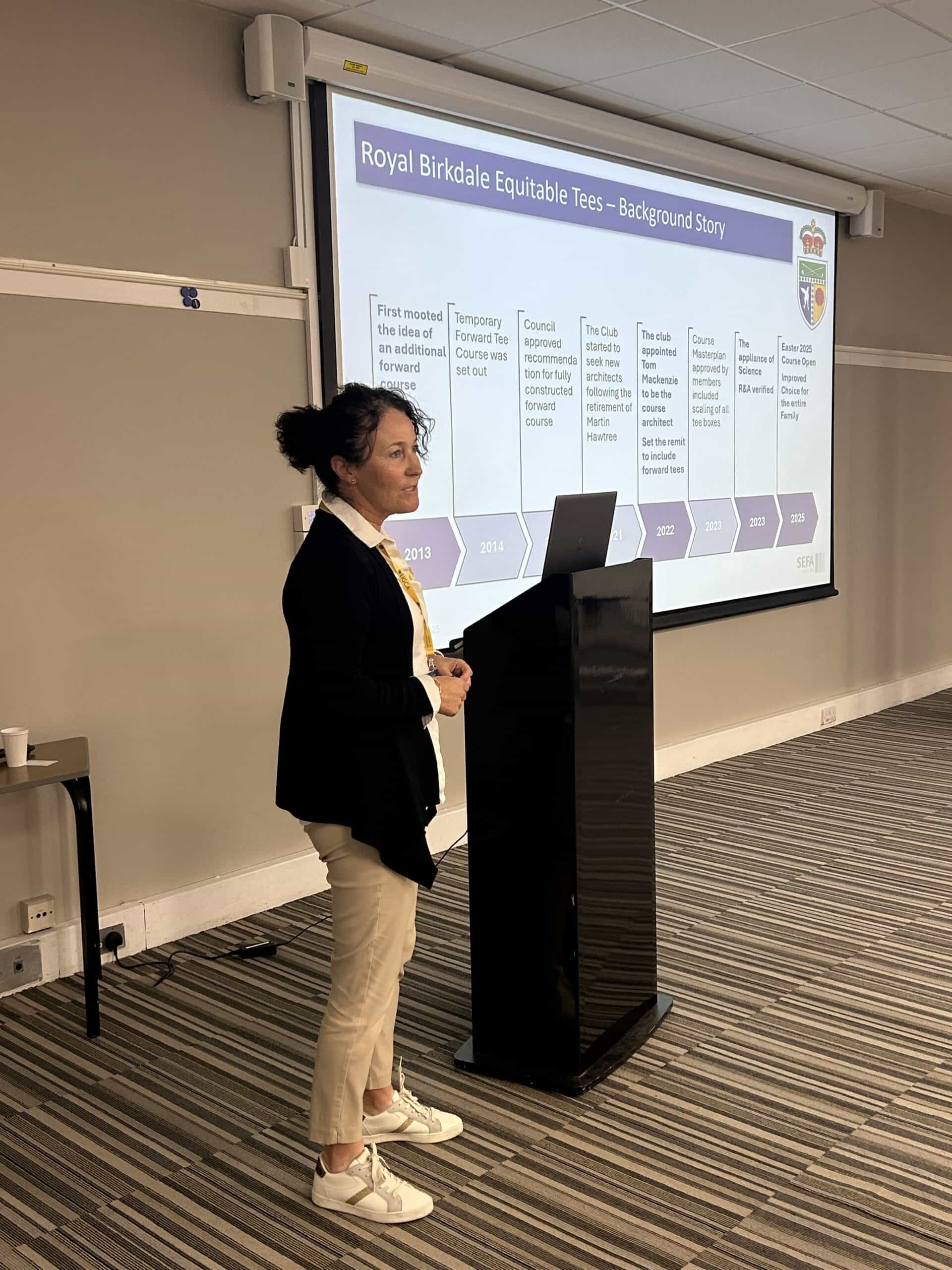
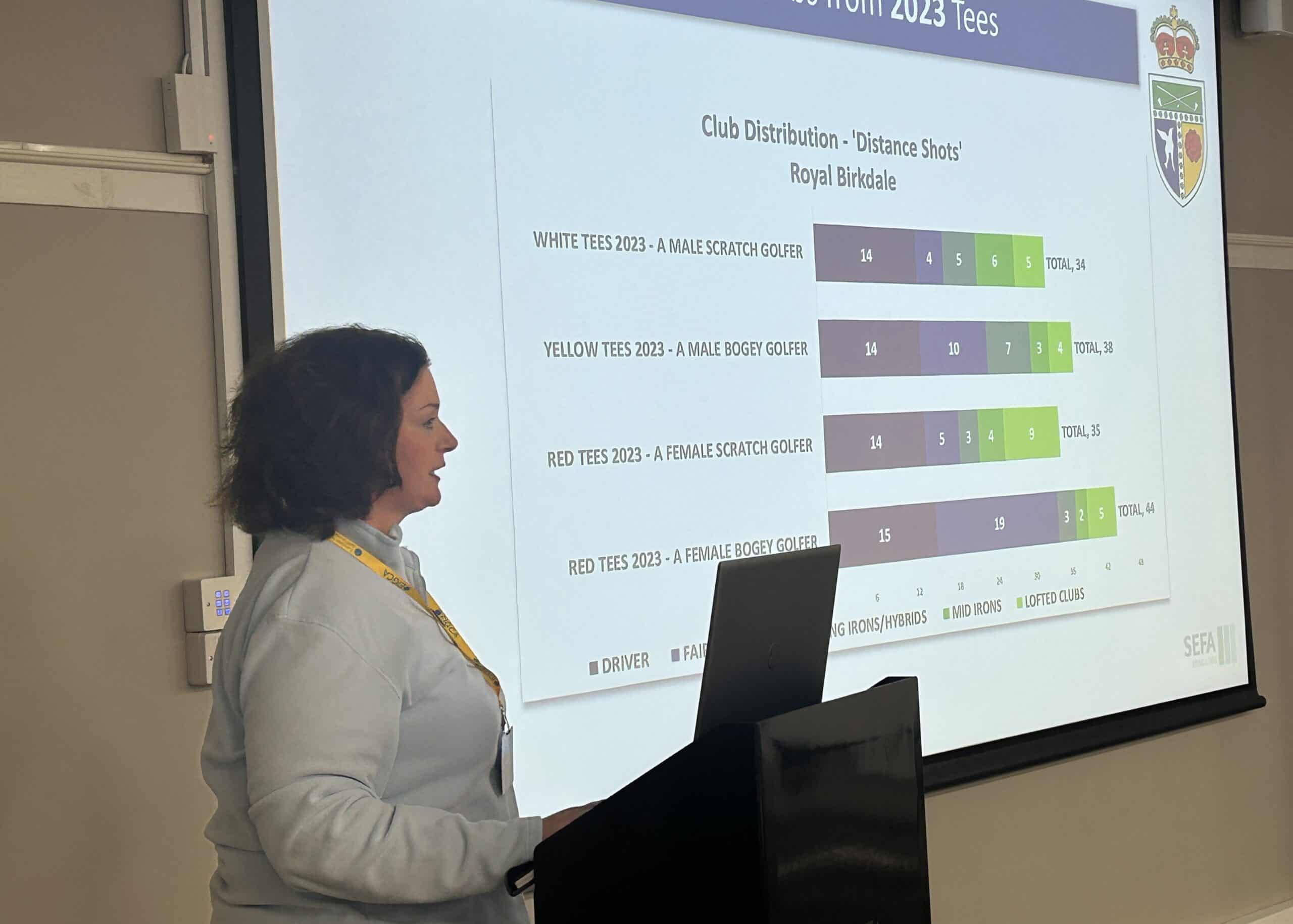
A powerful case study from Royal Birkdale (presented by Sharon Eales and Fiona Womack) demonstrated how redesigning tees using real player data can reduce round times, improve enjoyment, and make the game fairer. Cultural habits remain one of the biggest barriers, but member feedback at Royal Birkdale shows that attitudes are shifting — especially among younger golfers.
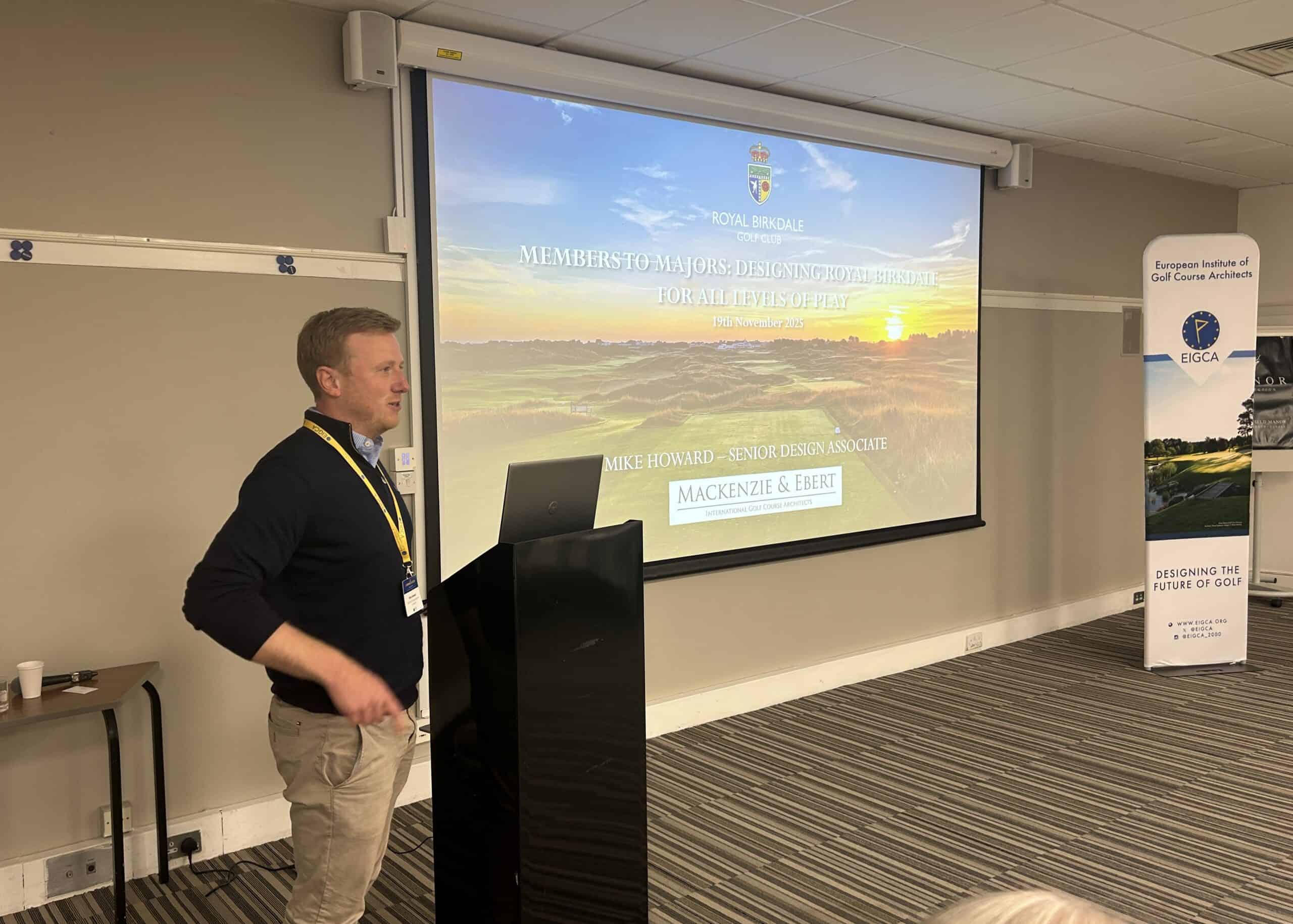
EIGCA Candidate for Membership, Mike Howard of Mackenzie & Ebert, rounded off Day One with practical lessons from implementing Royal Birkdale’s new tee system. This work proved it is possible to retain the essence of a championship course while making it significantly more playable for more people.
Why this matters – golf is recognising that equitable tee systems are not a “nice to have”—they are fundamental to retention, enjoyment, and long-term club sustainability.
Day 2: Session 1 — Turf, Water, and the Climate Reality
Crystal Rose Fricker, of EIGCA Silver Partner, Pure Seed, explained how turf breeding is becoming central to the future of golf. As climates shift, architects and course managers need grasses that can handle heat, shade, drought, traffic, and inconsistent water availability—all without losing playability for slower-swing golfers. Turf selection is now a design decision, not an afterthought.
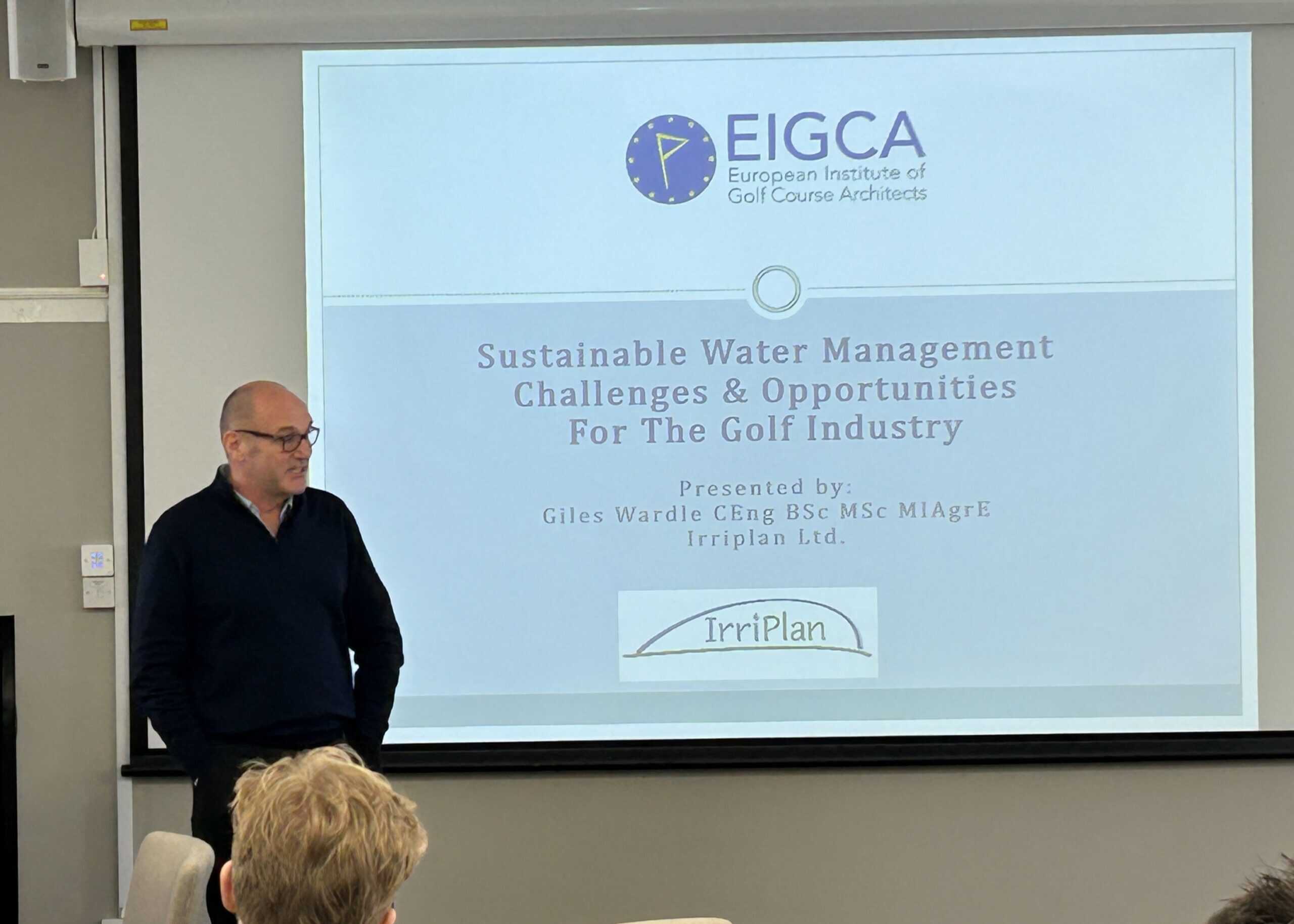
Next, EIGCA Affiliate, Giles Wardle, broke down the escalating challenge of water management. With regulations tightening and rainfall becoming less predictable, course design must incorporate smarter water capture, storage, and usage. Lakes, catchment design, and even underground storage are becoming strategic elements as much as aesthetic ones.
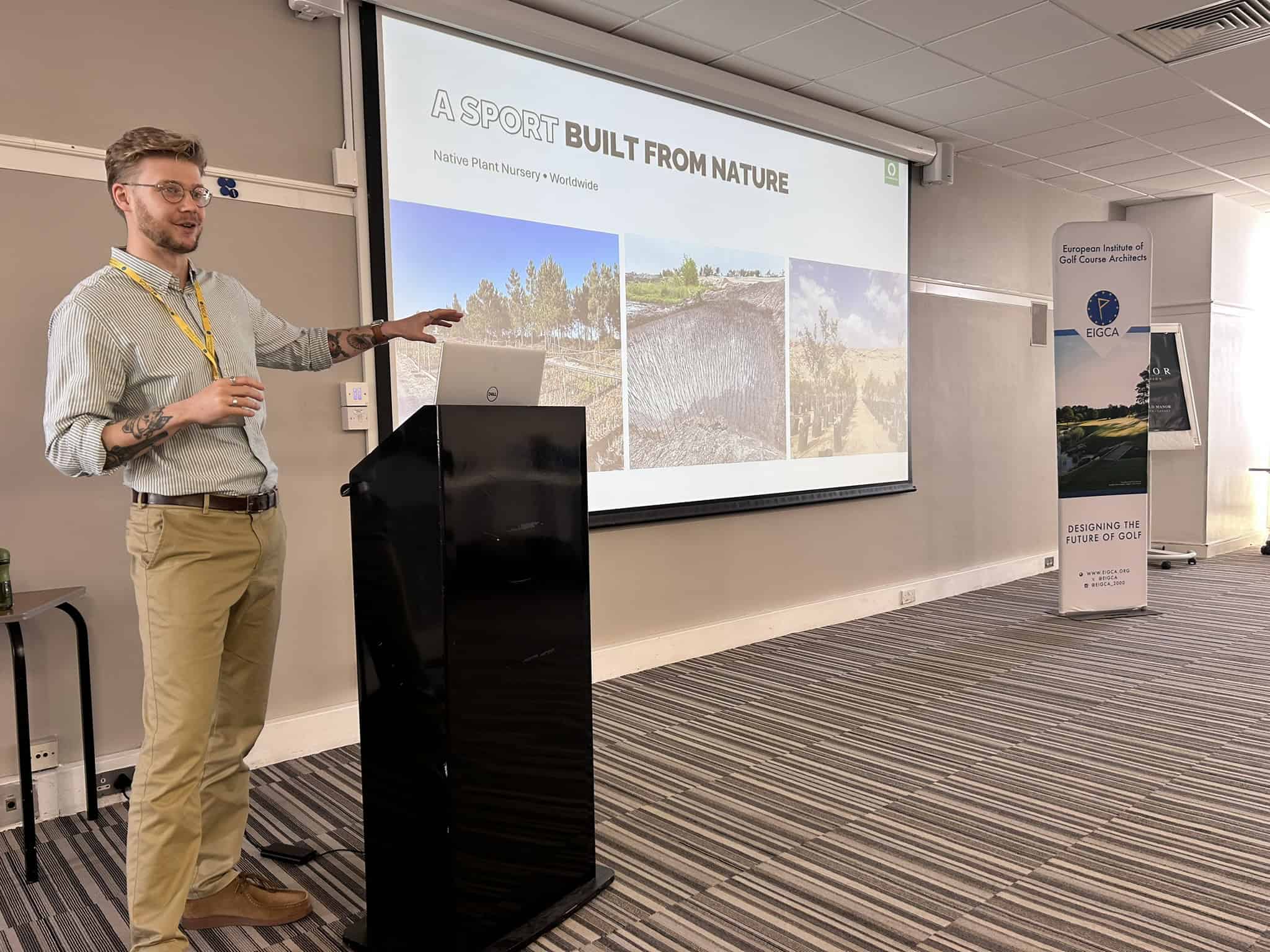
Closing the session, Tyler Annan from EIGCA Patron, GEO Foundation, presented a series of international case studies showing that sustainable golf development is not only possible – it is commercially smart. From projects that support local enterprises to clubs using native plant nurseries and local sand, sustainability is proving to reduce costs, strengthen community value, and enhance ecological resilience.
Why this matters – climate change is already shaping how courses are built and maintained. Designing with water, turf, and local ecosystems in mind is not restrictive—it is the pathway to long-lasting, future-proof facilities.
Day 2: Session 2 — When Design Meets Machinery
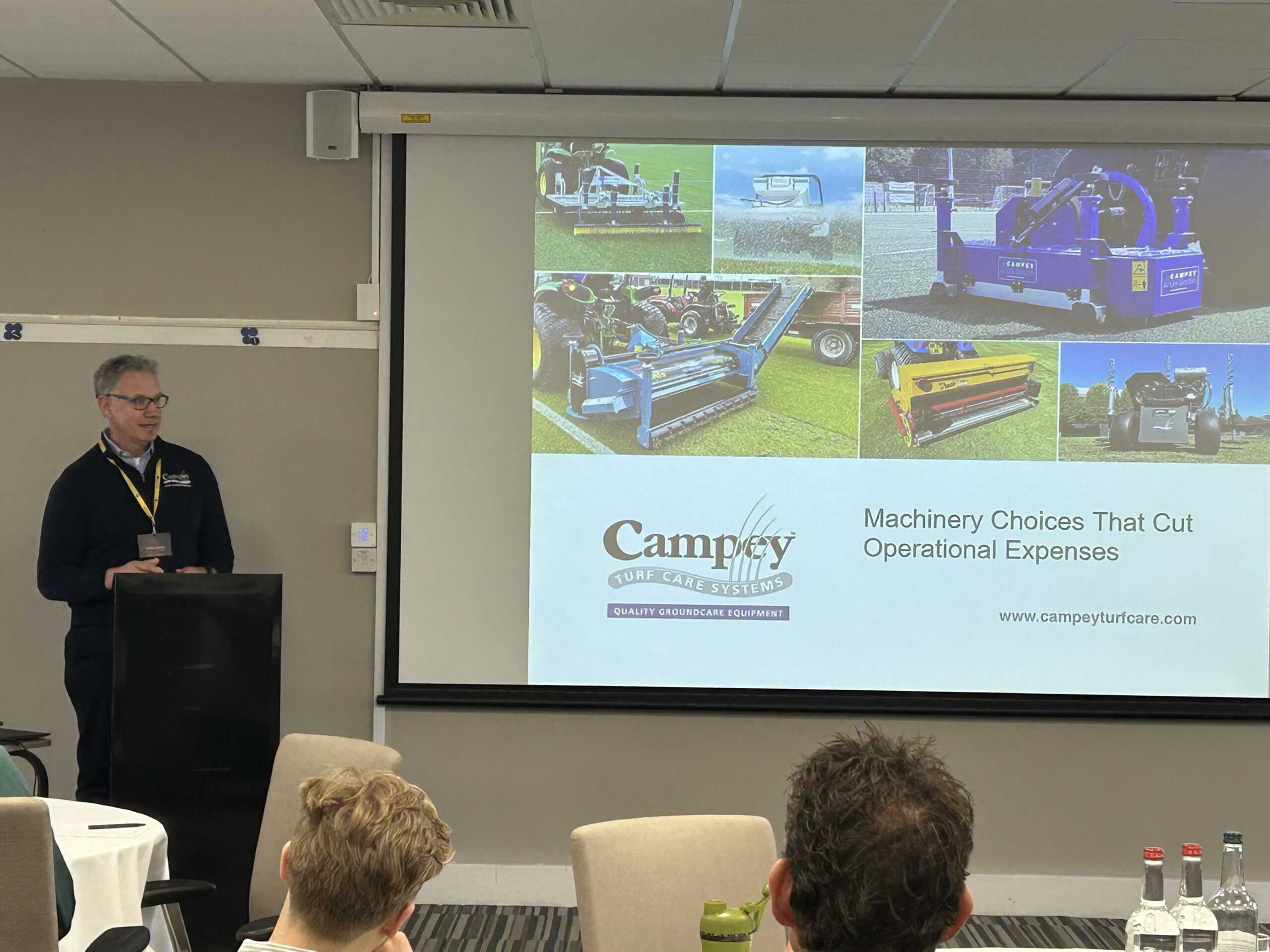
The final session covered the link between design and long-term running costs. Nick Brown of EIGCA Bronze Partner, Campey Turf Care Systems, highlighted how machinery is usually a club’s second-largest expense after labour—and how architects, without ever buying a single machine, still shape those costs for decades. Contours, grass types, fairway widths, and access routes all determine what equipment is needed, how big the fleet must be, and how often it has to be used. Nick’s key message was that modern renovation machinery can be a design tool: deep decompaction, rootzone recycling and precision surface renovation all help courses reuse existing materials, reduce imports, and keep turf healthy with far less disruption and fuel.
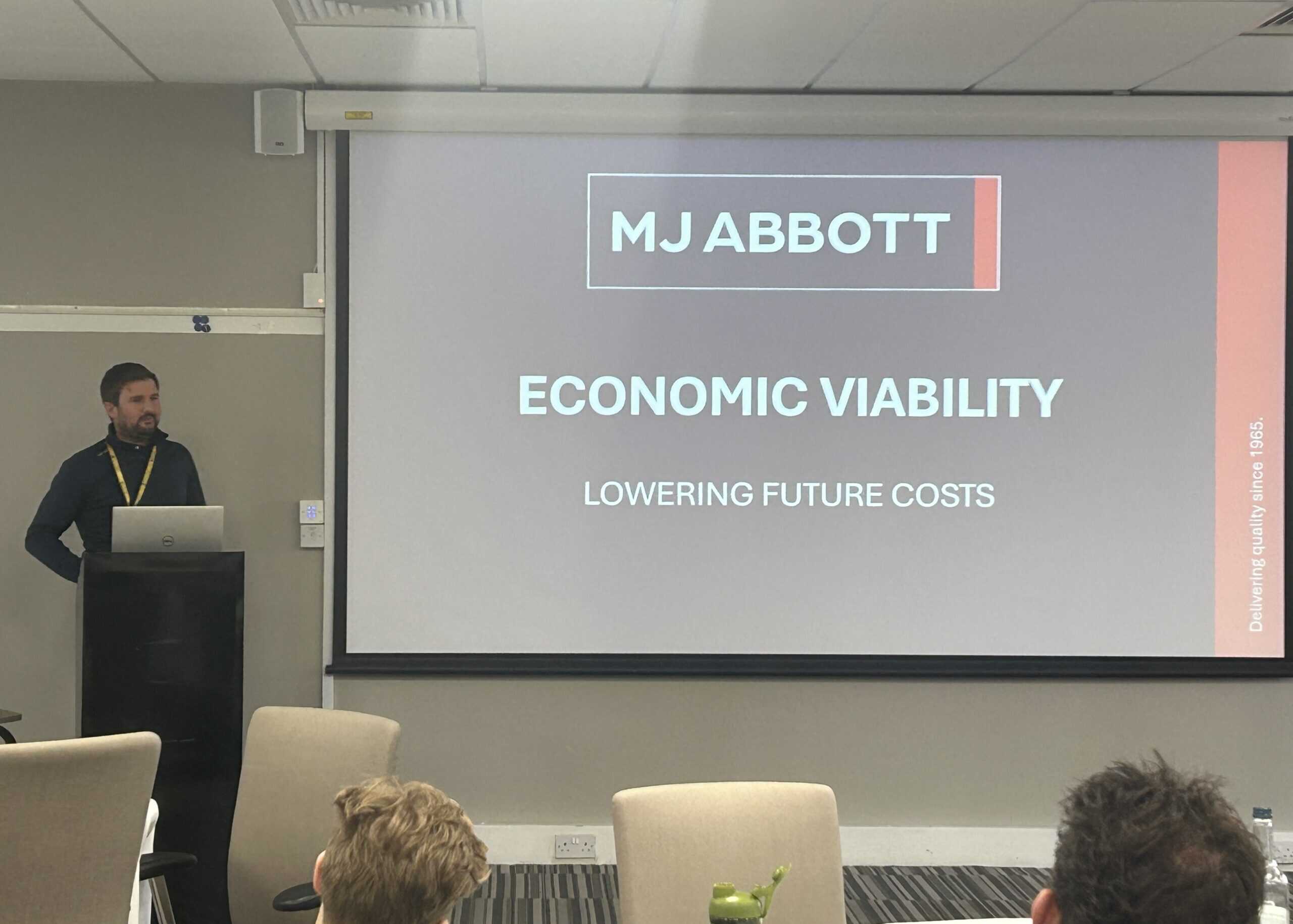
Graham Humphries of EIGCA Bronze Partner, MJ Abbott, brought the event to a close by demonstrating how thoughtful detailing and material choices on bunkers, paths, lakes and drainage can significantly cut maintenance effort over the long term. From robust bunker liners and smarter edging solutions to flexible lake and ditch treatments, hybrid walkways and realistic sourcing of sands and aggregates, his examples underlined a simple truth: build it well and practically once, and you avoid paying for it over and over again.
Together, these final two presentations reinforced a clear takeaway for architects: great design and affordable maintenance are not opposing goals. When design thinking, machinery strategy and construction detail are aligned from the start, clubs gain courses that are better to play, cheaper to run and more sustainable to operate in the years ahead.
Why this matters – sustainable design should include sustainable maintenance. Clubs cannot thrive if courses are too costly to maintain.
A Clear Direction for the Future of Golf Course Design
One message rang loud and clear at Learning Live: golf course design must reflect the people who actually play the game. Creating fair, enjoyable experiences for a broader range of golfers is no longer optional – it is becoming the standard. Layer on the growing pressures around climate, water and rising operational costs, and it is clear that design and maintenance now belong on the same page from day one.
None of this can happen in isolation. The future depends on all involved with the design, development and maintenance of golf course working together to make good ideas practical, affordable, and long-lasting.
Learning Live 2025 showed that golf is moving decisively towards inclusive, sustainable, and data-informed design. That shift brings genuine opportunity — to strengthen clubs, support communities and create courses that remain enjoyable, resilient, and sustainable for many years to come.