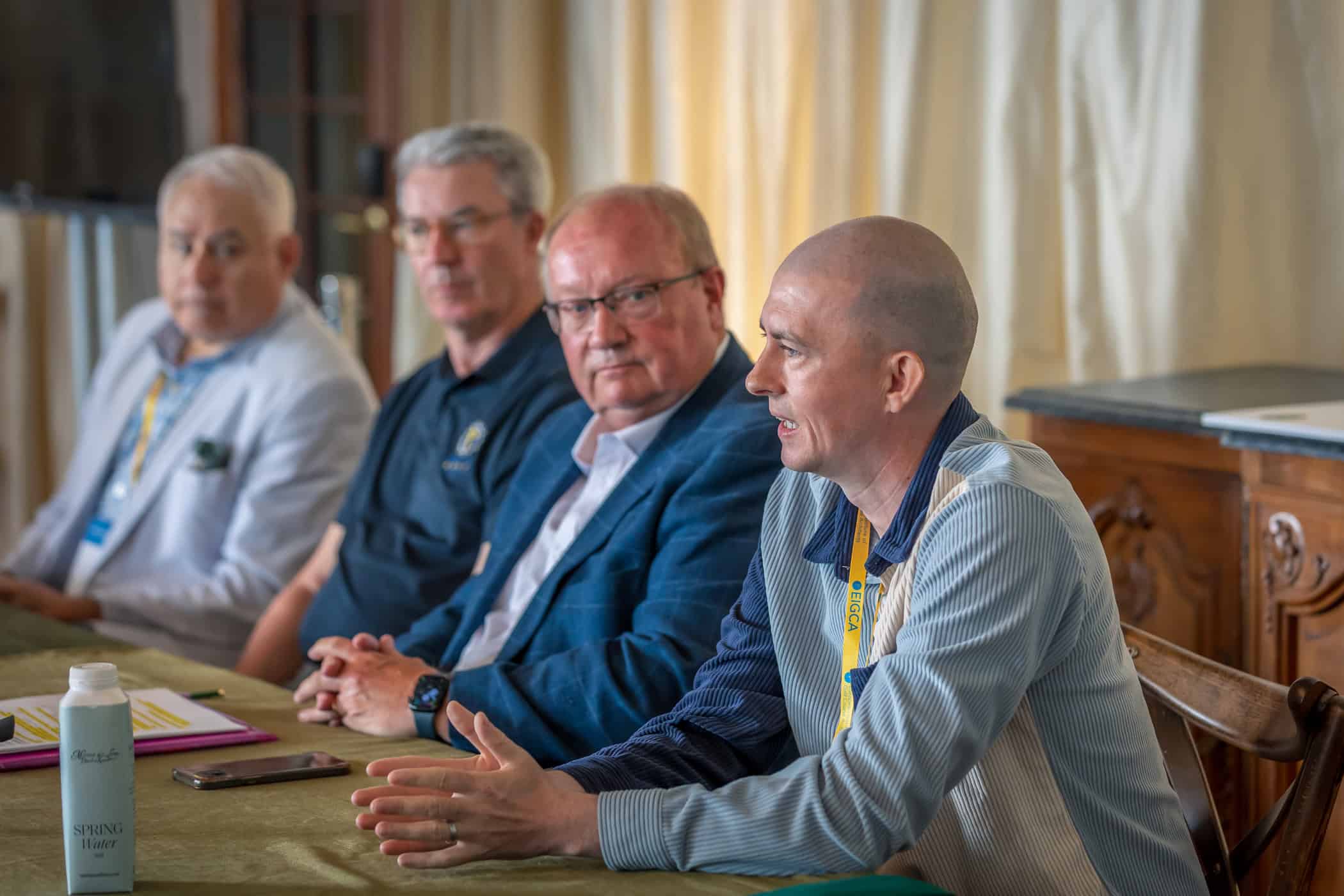
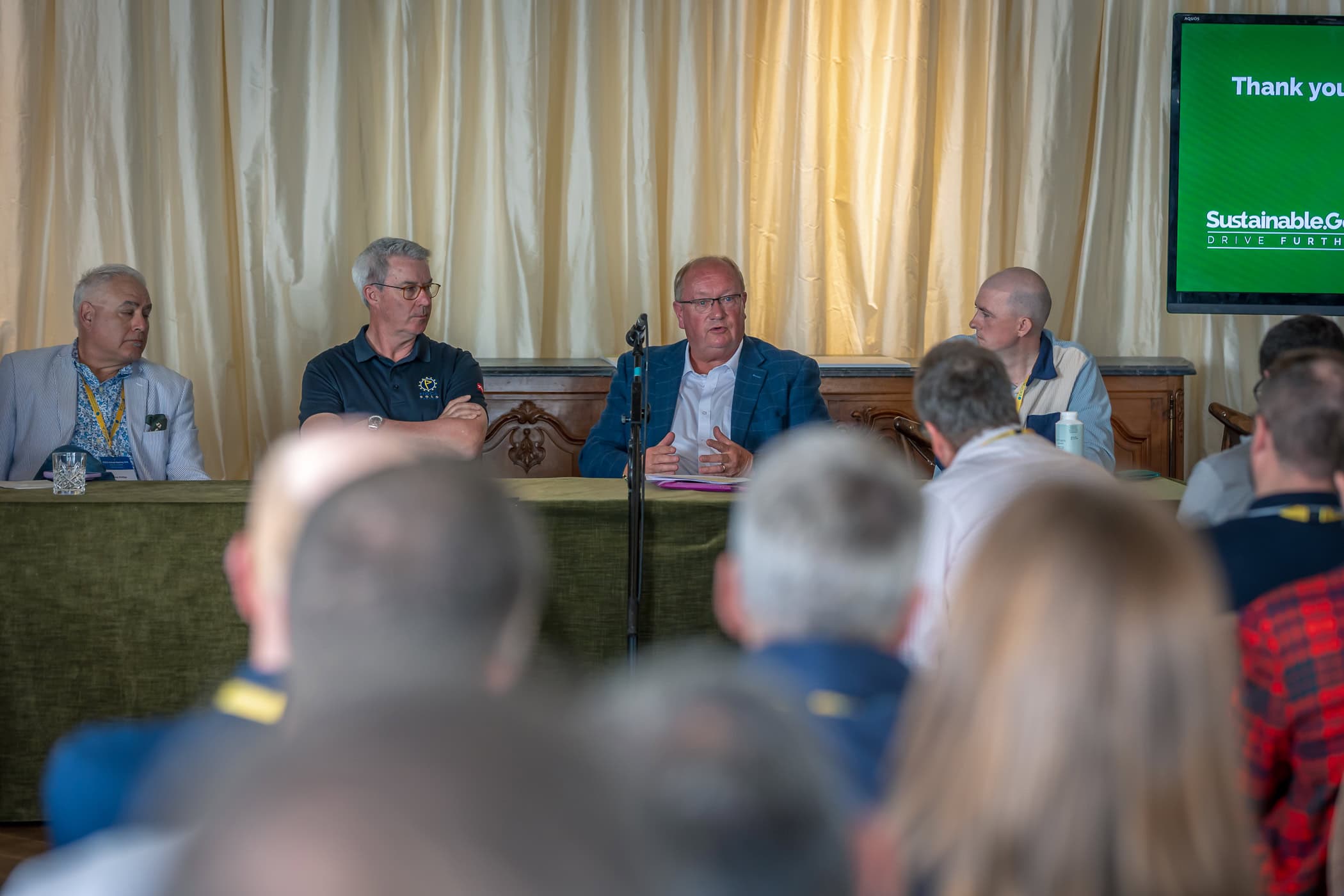
Reimagining golf for a changing world — Insights from the EIGCA Conference
| Andy Brown, Annual Meeting, GEO Foundation, Gold Partner, Jonathan Smith, Toro
Estimated reading time 3 min
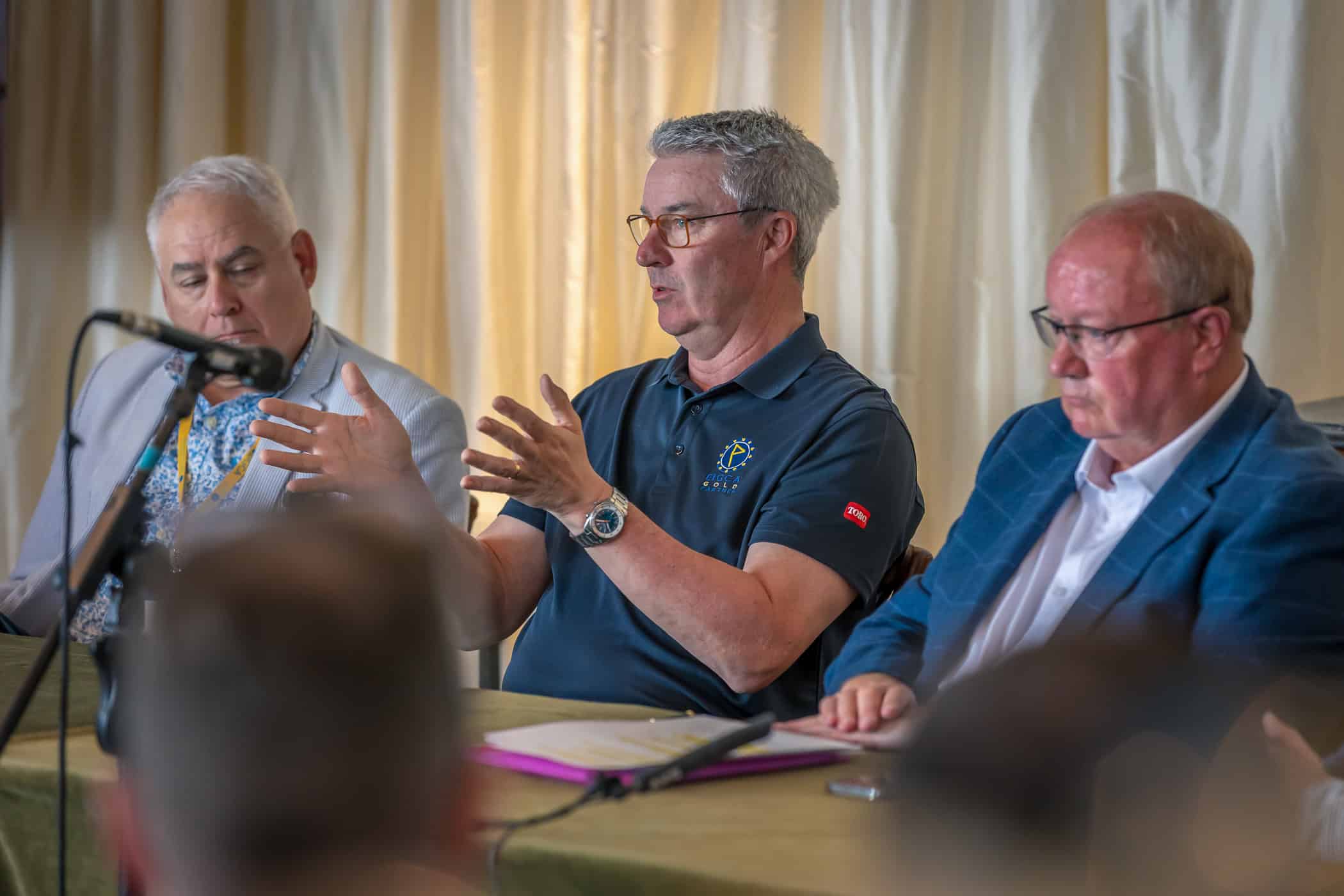
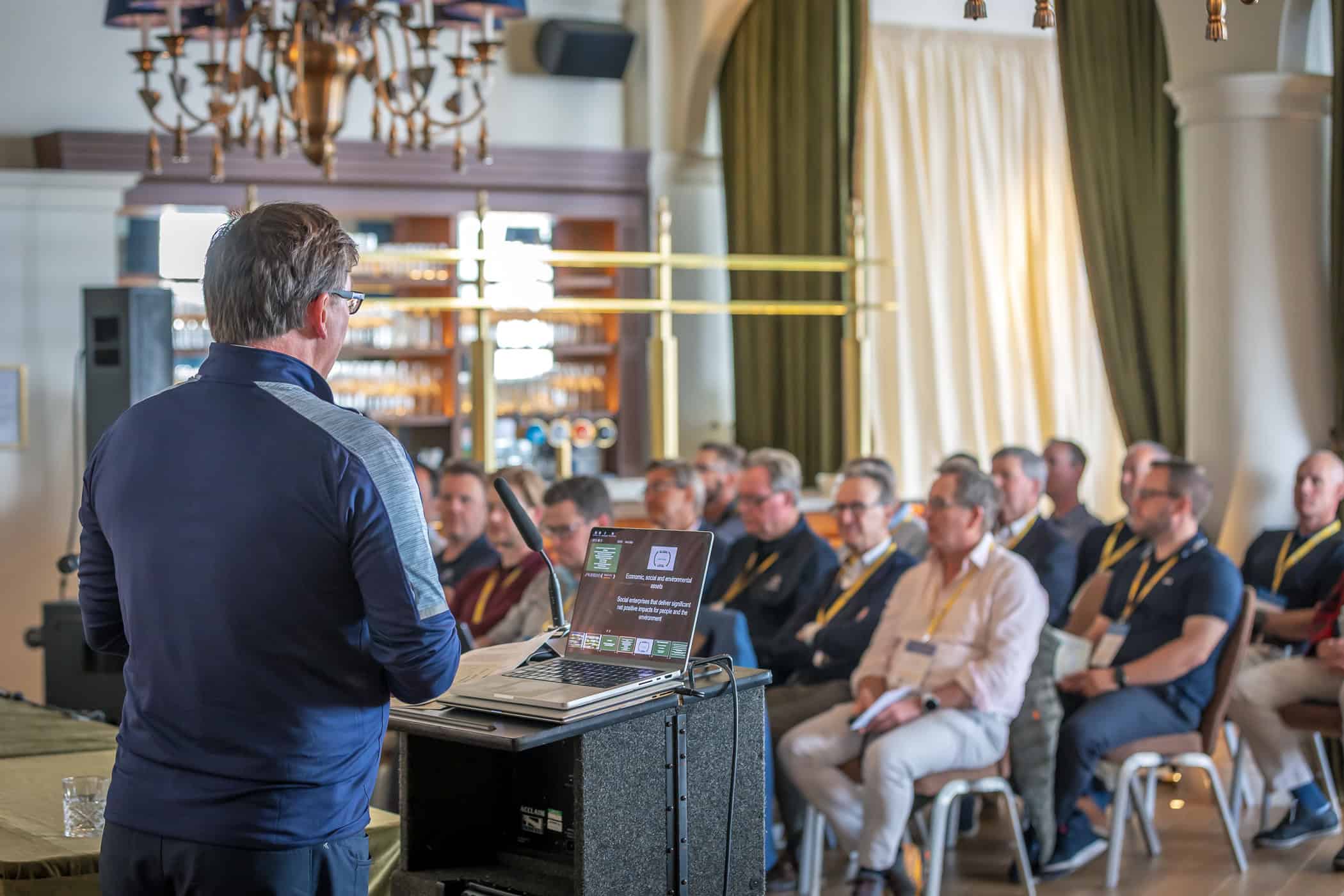
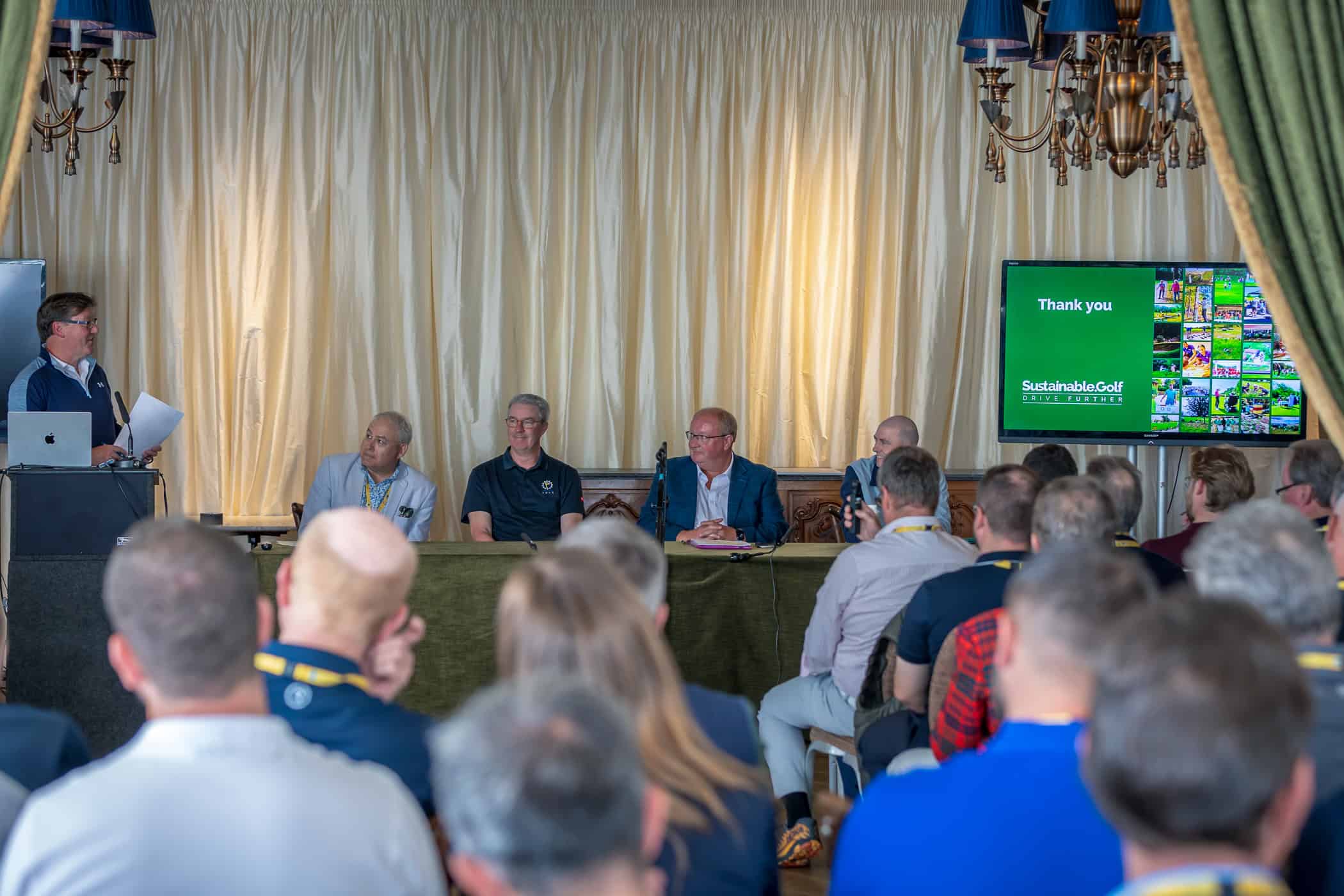
As the world faces growing environmental and social pressures, the golf industry needs to adapt, innovate, and redefine its place in society. At the EIGCA Conference in Scotland, May 2025, a panel explored the challenges golf courses face — and the opportunities they have — to become more sustainable, inclusive, and valued by their communities.
A Changing Landscape: Land use and environmental pressures
Golf courses are not immune to the pressures of a rapidly evolving world. The Montreal Declaration targets 30% of global land to be protected for environmental and ecological purposes — a goal that could impact golf development and operations worldwide.
More than just a game: Golf’s role in health and society
In the wake of the COVID pandemic, outdoor spaces have taken on a new level of importance for mental and physical wellbeing. The panellists noted that golf courses can play a pivotal role in building healthier towns and cities. Beyond recreation, they can support wellbeing, social connection, and access to green space.
But to do so, golf must change. It must shed its reputation for exclusivity and demonstrate how it serves broader social and environmental goals.
Confronting perception: Challenges in golf’s public image
Golf has long battled a perception problem. From concerns about elitism to criticisms over land and water use, negative narratives continue to dominate public discourse. The panel did not shy away from these issues, acknowledging that environmental activism and media coverage are influencing how golf is perceived.
Yet, the panel also saw this as an opportunity: golf has a story worth telling. Whether it is rewilding parts of courses, supporting biodiversity, or offering community access, there is much the industry is already doing — and even more it can do — to demonstrate its value.
Changing the narrative: Strategies for improvement
Improving golf’s image starts with authentic storytelling. The panellists agreed that the industry must communicate its positive contributions more effectively — from promoting physical and mental health to supporting environmental stewardship.
Key strategies included:
- Embracing digital platforms and social media to share success stories.
- Engaging with community stakeholders to show how golf courses serve local needs.
- Educating golf professionals to advocate for the sport in credible, compelling ways.
Golf must show that it is not just compatible with modern values — it is actively contributing to them.
Looking forward: Action and accountability
The panel concluded with a clear call to action. Golf can thrive in the 21st century — but only if it evolves. The following priorities emerged as essential for progress:
- Innovate for inclusion: Embrace new formats and remove barriers to make golf accessible to more people.
- Be a community asset: Open golf courses to local residents and integrate them into the fabric of the community.
- Invest in education: Equip golf industry professionals to communicate the sport’s value with clarity and confidence.
- Share positive stories: Build a proactive communications strategy to highlight golf’s contributions to health, environment, and community.
- Engage beyond the bubble: Collaborate with environmentalists, policymakers, and other external stakeholders to shift perceptions.
As environmental pressures mount and societal expectations evolve, golf must rise to the occasion. The message from the panel was clear: this is a moment of opportunity. If golf can adapt and communicate its value, it can not only survive — it can lead. in sustainability.