Insights from Troon’s agronomy conference
| Bronze Partner, Troon International
Estimated reading time 4 min
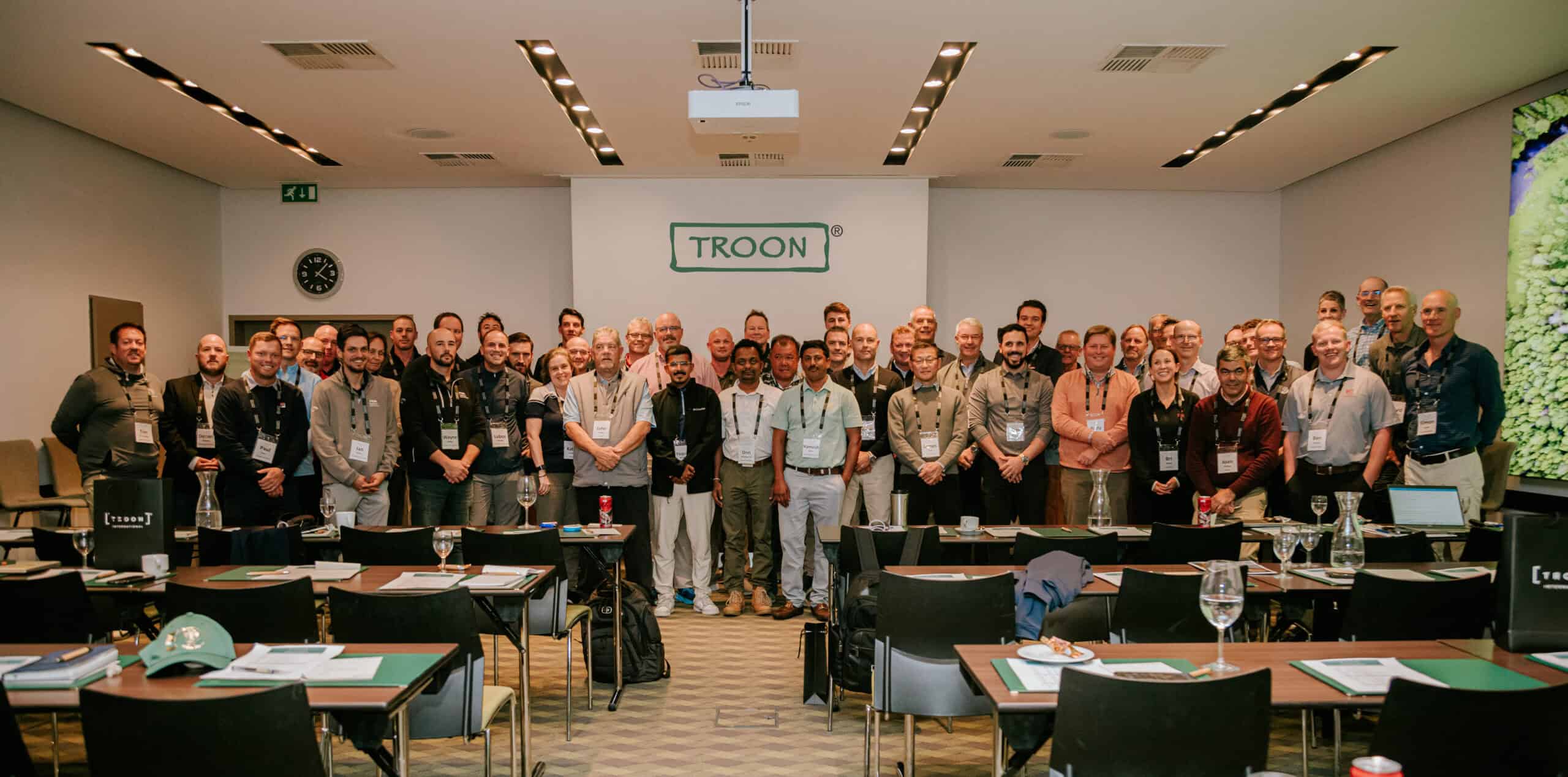
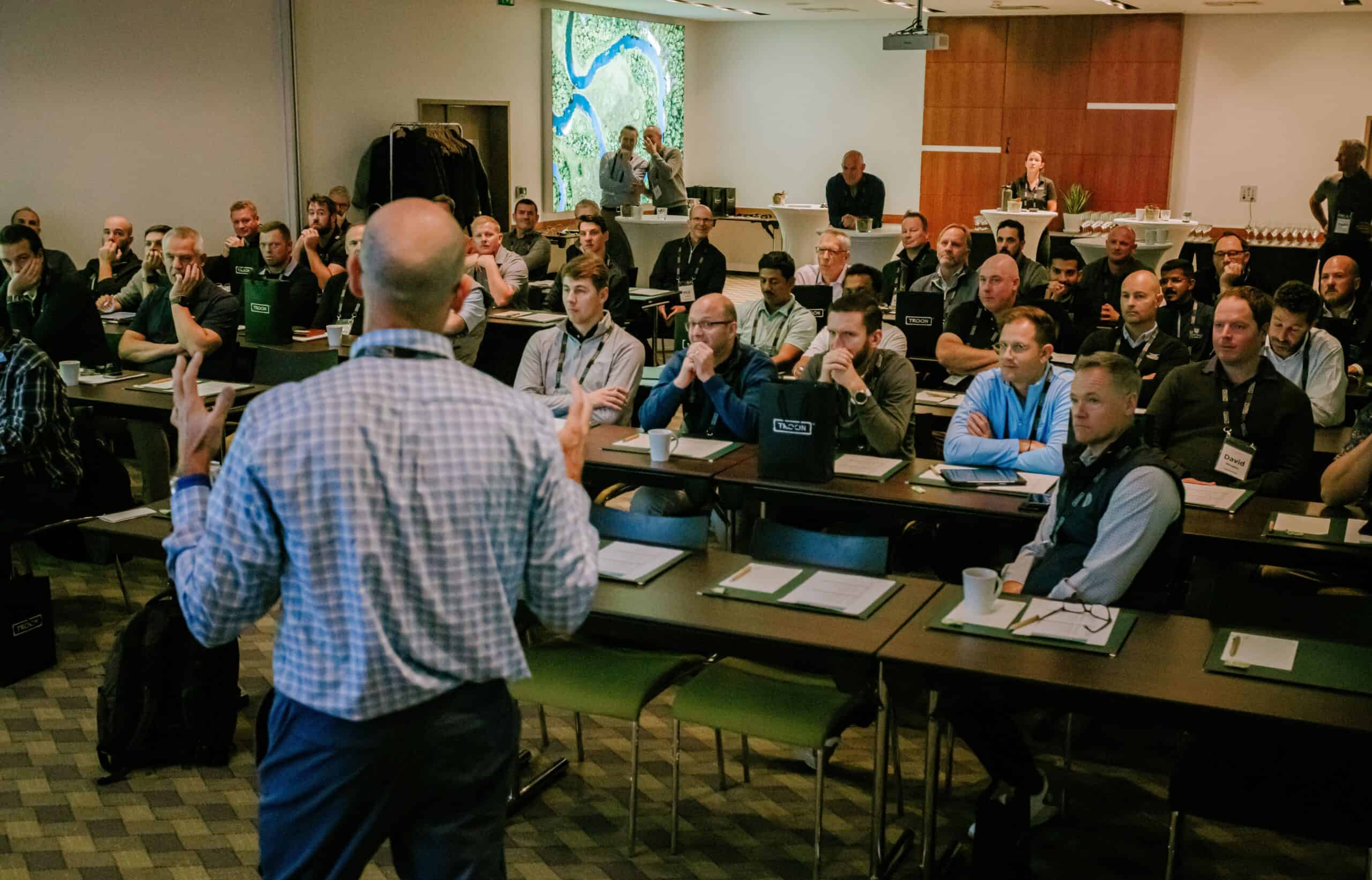
Last month, Troon International, the international division of Troon, the world’s largest golf hospitality management company hosted the Troon International Agronomy Conference in Prague Czech Republic. Over 65 delegates from 20 plus Troon facilities from around the world joined to attend sessions which focused on the fundamentals of sustainable agronomy and the pursuit of continued learning. They also had the chance to visit PGA National Czech Republic, recent hosts of the D+D Real Czech Masters and leader in sustainable practices on the golf course.
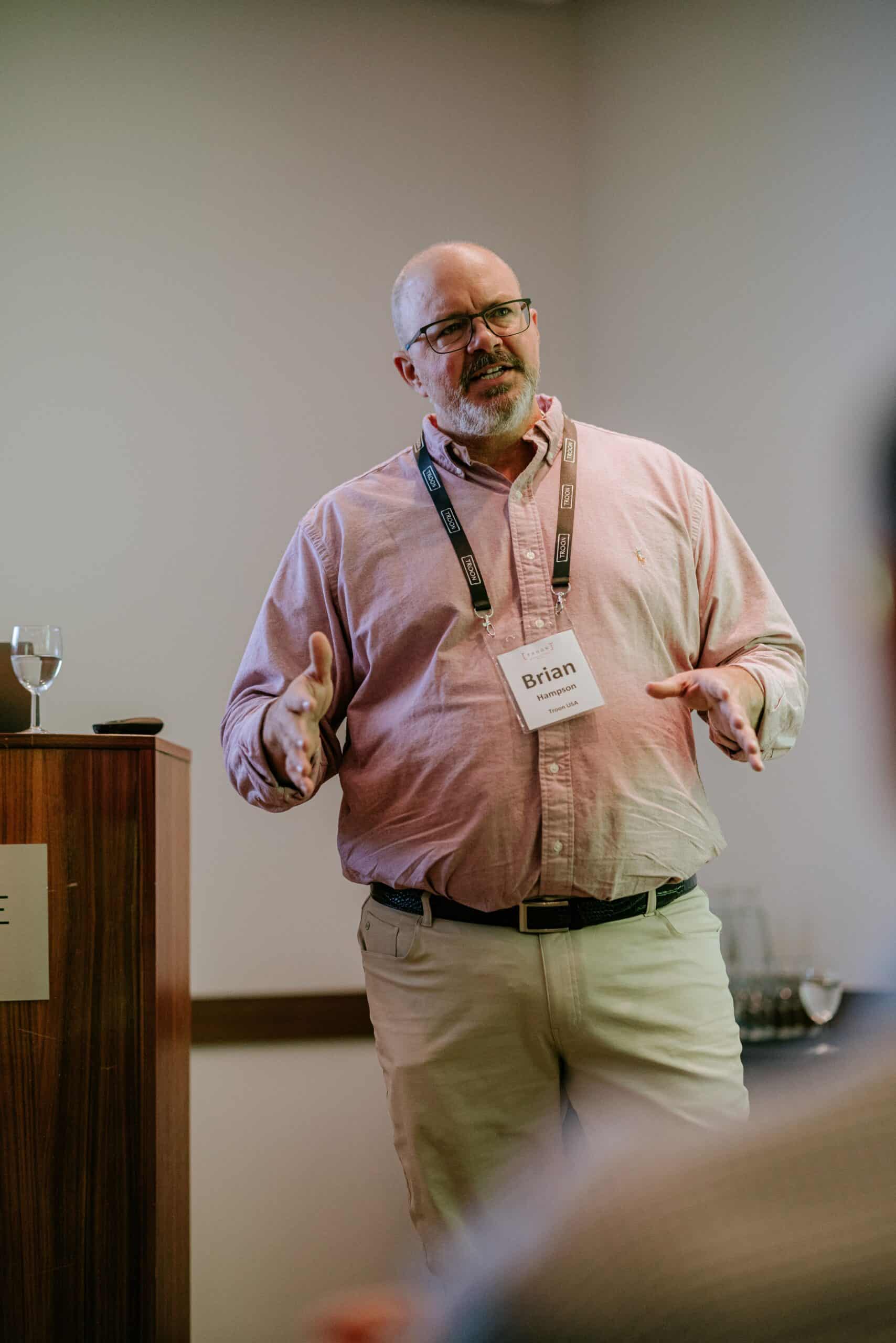
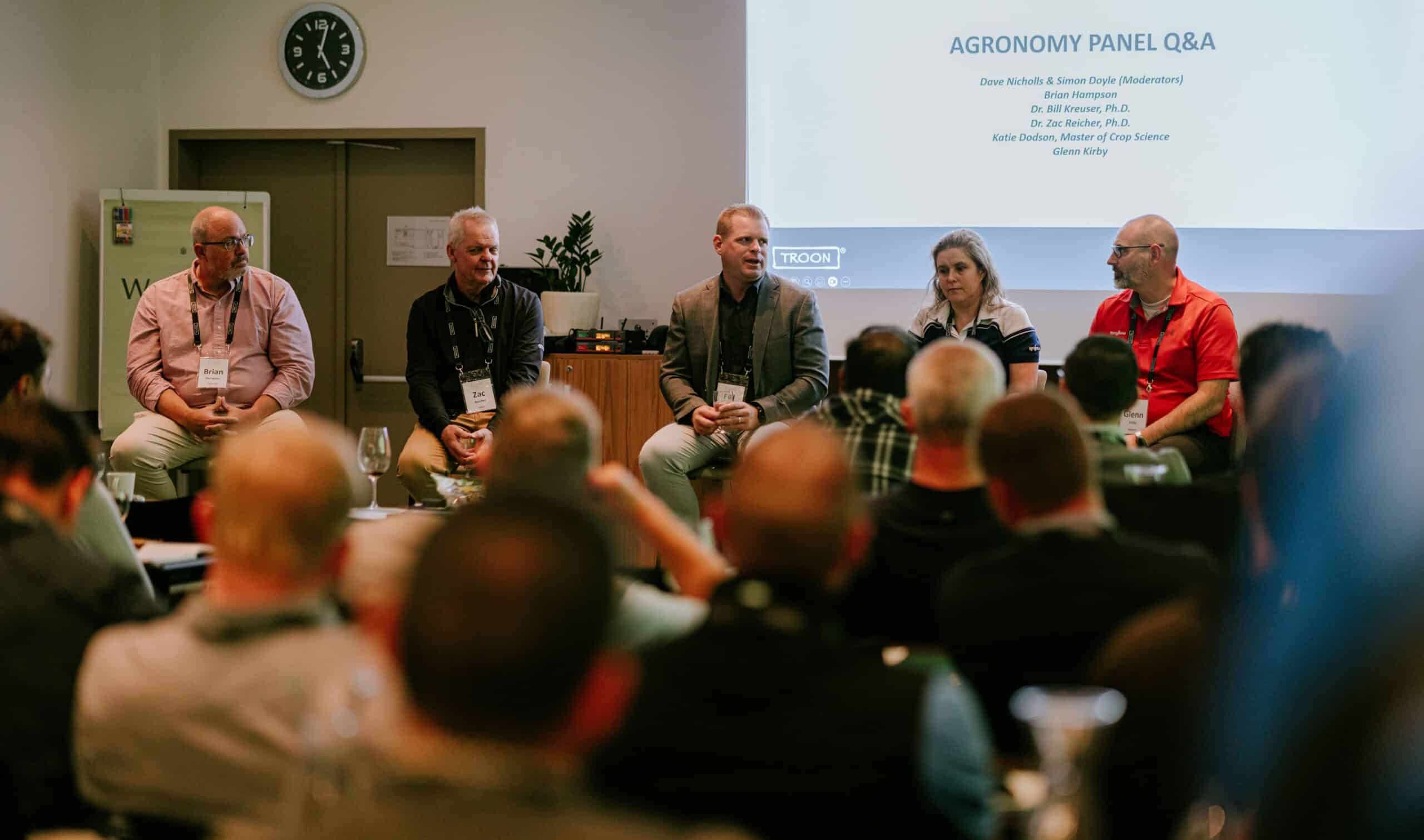
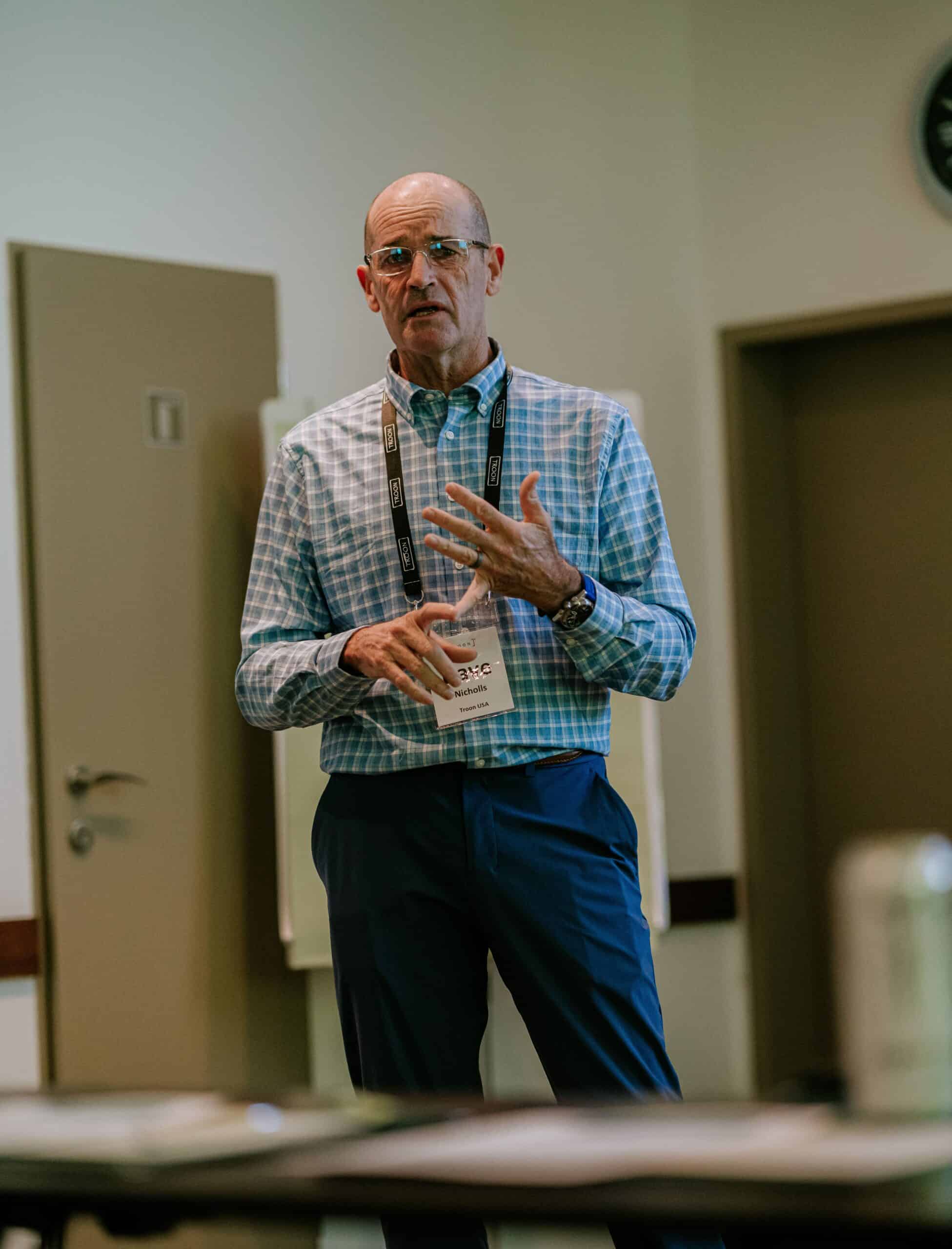
Day one started with Dave Nicholls, Troon Executive Vice President, Global Science and Agronomy and Brian Hampson Troon SVP Science and Agronomy sharing their traits on a “high performing superintendents” based on their experience in the daily corporate operations, overseeing the 925 Troon managed facilities.
Additional technical agronomy sessions were conducted by Katie Dodson & Glenn Kirby (SYNGENTA), Dr. Bill Kreuser PhD and Dr. Zac Reicher PhD (ENVU).
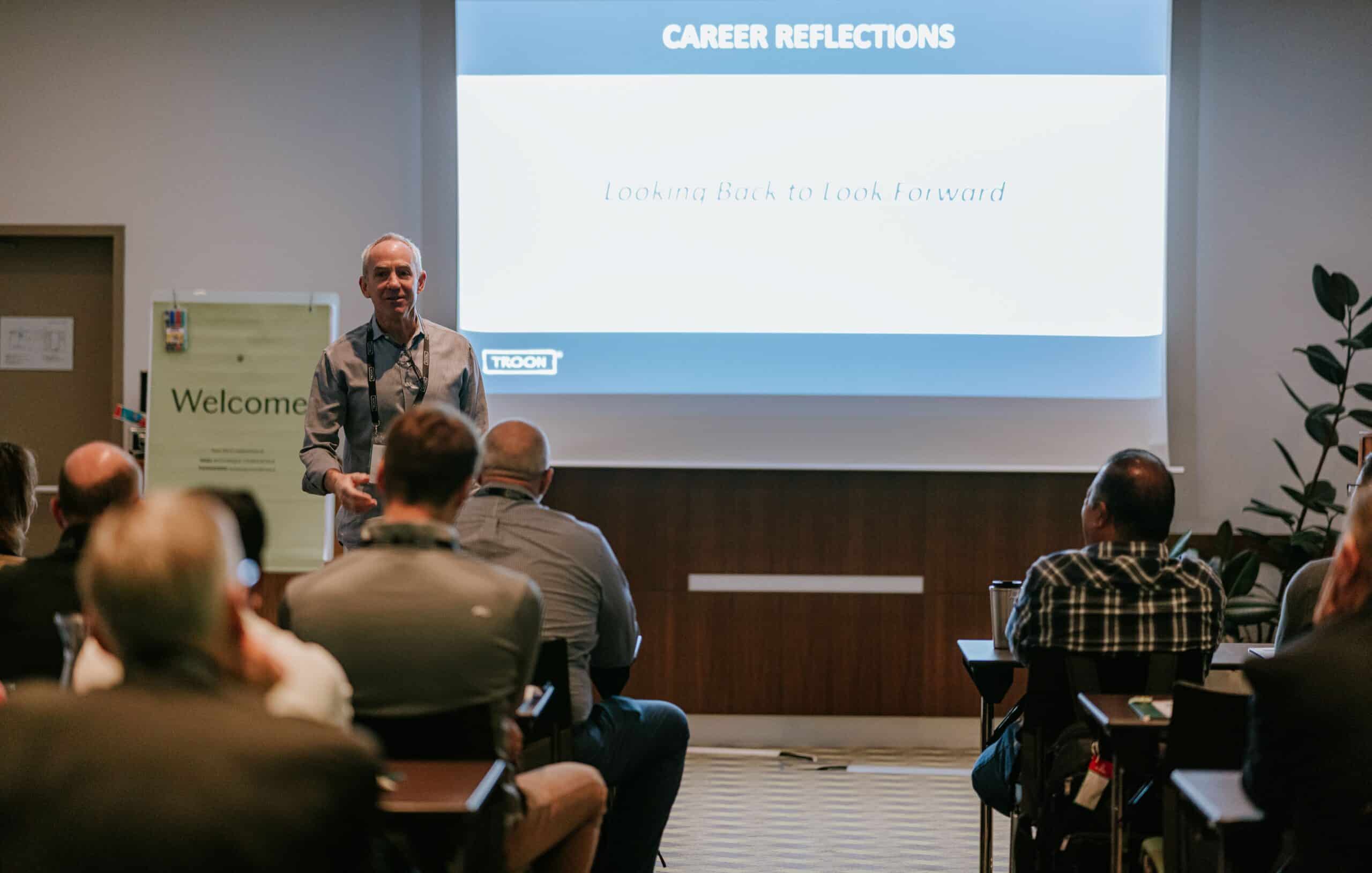
Day two opened with Jeff Spangler SVP Science and Agronomy looking back over his career at Troon and how Troon evolved from one course to the largest management company in the world. This insightful presentation also provided essential advice for Troon associates and Superintendents as they continue their own career growth and highlighted the opportunities around the world of Troon and the agronomy industry.
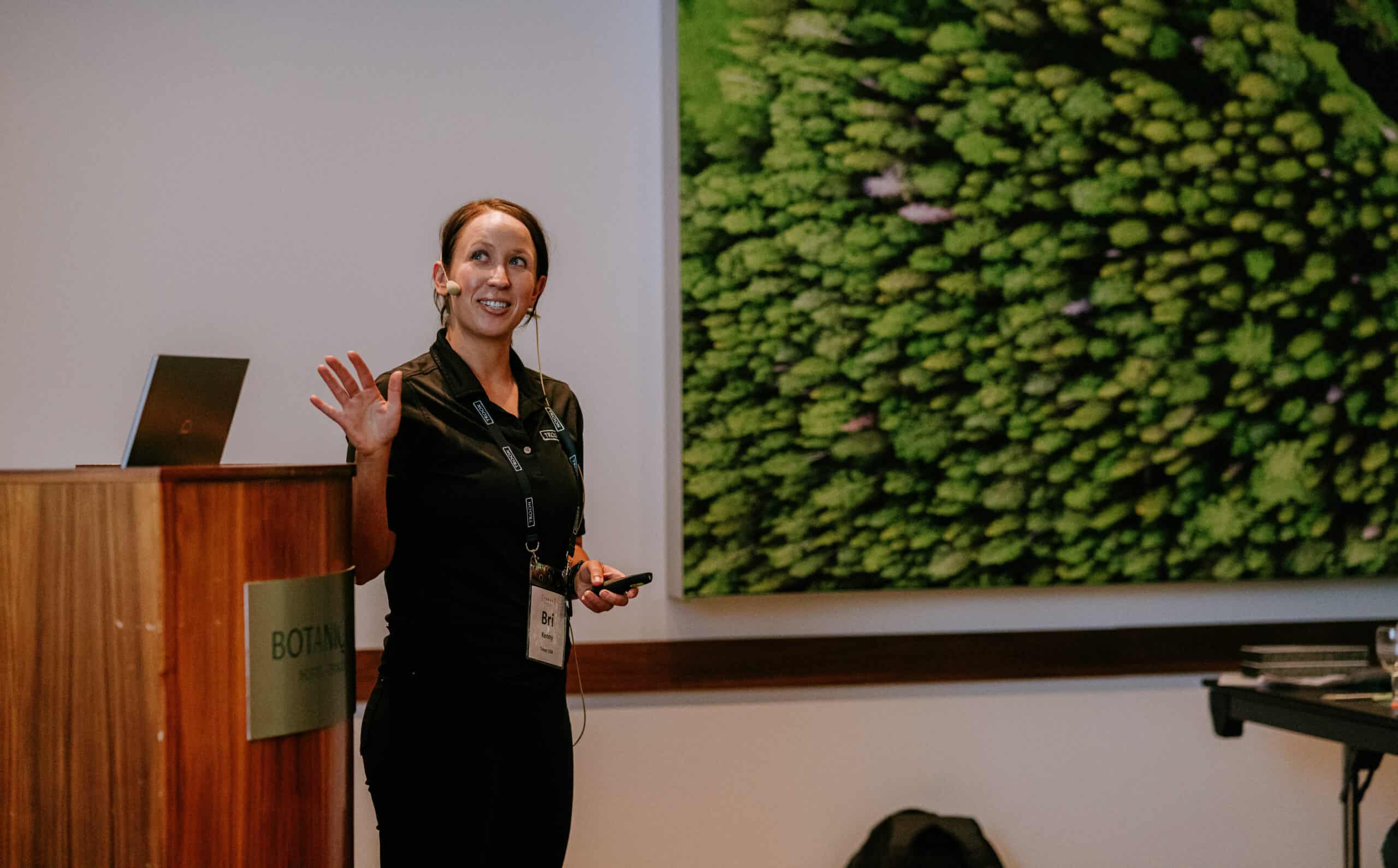
Troon’s very own Environmental Science Manager Brianne Kenny reviewed sustainable management practices along with her work on assisting clubs with regulatory compliance requirements.
Dave Nicholls, Troon Executive Vice President, Global Science and Agronomy shared his key takeaways from the conference:
1. From Integrated Pest Management (IPM) to Integrated Turf Management (ITM):
The landscape of turf management has evolved. The concept of Integrated Pest Management (IPM) is being superseded by Integrated Turf Management (ITM). This transition reflects a broader approach—one that emphasizes the importance of optimizing the entire turf system for resilience, particularly in the face of pests. It’s essential to adopt smarter, more strategic methods for fostering turf health and sustainability.
2. Agronomic Decision-Making Systems:
Dr. Bill Kreuser has highlighted the importance of actionable data in the decision-making process to minimize waste and enhance turfgrass health. Key metrics such as Clipping Volume, Growth Degree Days (GDD), and Irrigation Scheduling have proven to be invaluable in improving overall turf management. Tools like the Greenkeeper App provide crucial insights, enabling superintendents to make more informed, data-driven decisions that positively impact turf quality.
3. Irrigation Decisions:
Irrigation systems are a significant investment, typically with a lifespan of 20-30 years, and as such, should not be taken lightly. It is critical to prioritize the long-term interests of the facility over short-term convenience. Leveraging resources from organizations like Troon can assist in making well-informed decisions, particularly regarding sprinkler layout and the selection of irrigation technology. With Troon’s extensive experience, we are well-positioned to provide insights on what systems have proven effective and which may no longer meet the demands of modern turf management.
4. Equipment and Supply Chain Considerations:
The equipment supply chain is recovering, with most manufacturers expected to fulfill backorders by the end of 2025. It is important to remain patient and plan accordingly, ensuring that purchases align with the long-term needs of the facility rather than being driven by immediate availability.
5. Embracing Technology in Turf Management:
Technological advancements are becoming increasingly prevalent in the turf management sector. While it is essential to embrace these innovations, it is equally important to implement them thoughtfully and strategically. At Troon, we view Artificial Intelligence (AI) through the lens of Troon Agronomic Intelligence. We are committed to adopting technologies—such as autonomy, GPS, and sensors—only when they have been thoroughly tested and proven to deliver tangible, beneficial results. This ensures that our approach to technological integration remains pragmatic and aligned with the best interests of course management.
6. The Role of the Golf Course Superintendent:
As Jeff Spangler aptly reminded us, the role of a golf course superintendent is demanding and complex. To navigate this challenge effectively, it is crucial to focus on simplicity and the core fundamentals. High-quality course conditions are not merely the result of advanced tools and techniques; they are cultivated through a deep commitment to the heart of the job—delivering exceptional golf experiences for players.
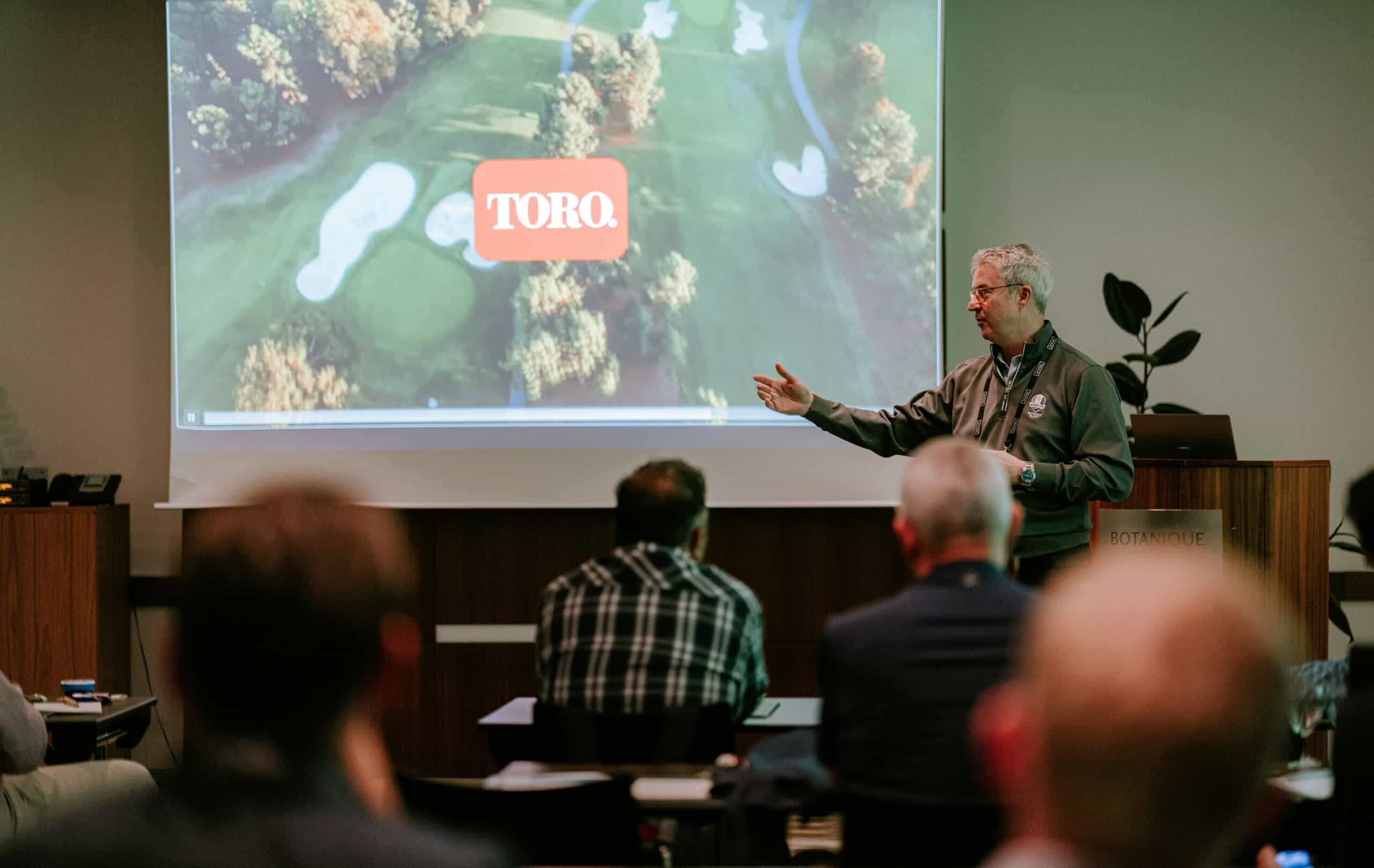
The Troon International Agronomy Conference was proudly supported by Troon key vendors including – Toro, Rainbird, ENVU plus BASF, Compo Expert, John Deere, Polyclean, Syngenta and Watertronics.